
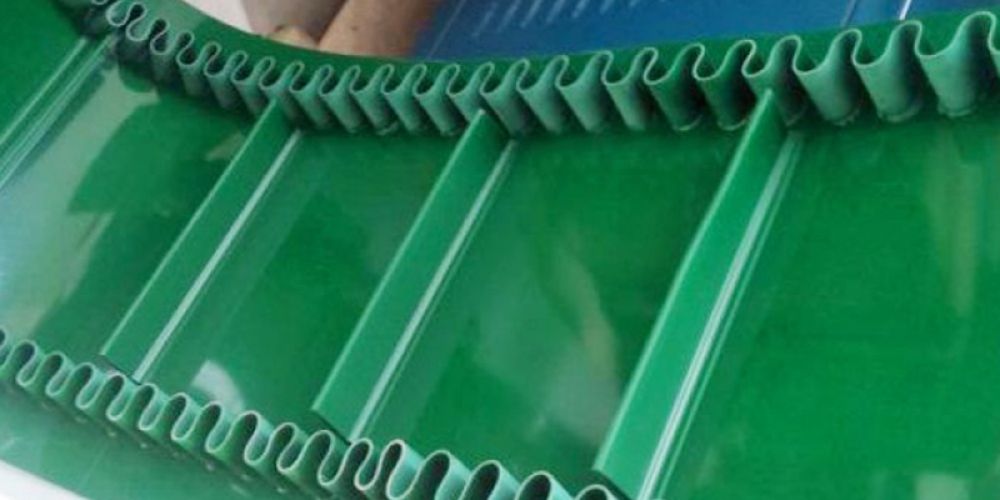
Industrial Conveyor Belt Front Guards
Industrial conveyor belt front guards are an indispensable component of material handling systems. Designed to prevent spillage, scattering, or misalignment of materials during transportation, they ensure smooth and efficient conveying processes. Below is a detailed classification of industrial conveyor belt front guards, along with their functions and application fields.
Fixed guards are the most common type, permanently installed on either side of the conveyor belt or at specific positions to form a barrier that prevents materials from sliding off the edges. These guards are characterized by simplicity, durability, and ease of maintenance. They can be made of PVC, metal, or other materials to suit different conveying needs and environmental conditions.
Adjustable guards allow operators to modify their height or angle based on the type and volume of materials being transported. This flexibility makes them adaptable to diverse conveying scenarios, enhancing production efficiency. Adjustable guards are typically equipped with user-friendly mechanisms such as bolts, sliding rails, or grooves for quick and precise positioning.
Folding guards feature a collapsible design, enabling them to be folded when not in use to save space. These guards are particularly suitable for environments with limited space or frequent belt replacements. Lightweight materials are often used for folding guards to facilitate operation and storage. When needed, they can be swiftly deployed and secured to provide effective material containment.
Curved guards are designed with a contoured shape to fit conveyor belts operating on curved or inclined paths. They closely follow the belt’s profile to prevent material spillage during turns. Made from flexible materials like rubber or polyurethane (PU), curved guards accommodate dynamic belt movements while maintaining excellent sealing performance.
Belt-type guards consist of one or more flexible strips installed along the edges or specific paths of the conveyor belt. These guards form a soft barrier to prevent material spillage while allowing controlled airflow to reduce material buildup and blockages during transportation.
.jpg)
Skirted baffle conveyor belts are a special type o…
.jpg)
Polyurethane (PU) conveyor belts possess numerous …
The safety of conveyor belt materials in the food …
Lightweight conveyor belts are a type of conveyor …
