BLOGS

All Blogs

What are the differences between straight plate type and curved or folded type flaps of industrial belts

Straight-Plate vs. Bent/Folded-Type Baffles in Industrial Belt Conveyor Systems
Straight-plate and bent or folded-type baffles each have unique applications and advantages in industrial belt conveyor systems. Below are their key differences:


1. Shape and Structure

Straight-plate baffles

  • As the name suggests, these baffles are flat and straight, typically installed along the edges or specific positions of the belt to form a vertical or slightly angled barrier.

Bent/folded-type baffles

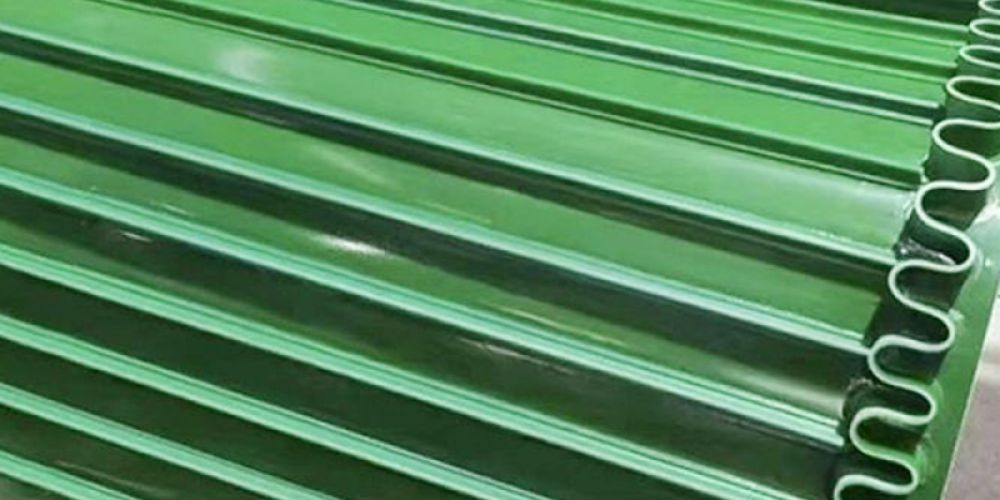
  • These baffles feature curved or folded designs, adapting to the conveyor belt's turns, inclines, or complex paths. They provide enhanced material guidance and spillage prevention.

2. Application Scenarios

Straight-plate baffles

  • Ideal for linear conveyor paths or belts with large turning radii. Suitable for standard conveying tasks, especially for materials with low spillage risk or requiring simple guidance.

Bent/folded-type baffles

  • Best suited for belts with frequent turnsinclines, or complex routes. They dynamically adjust to the belt's movement to ensure material retention.

3. Material Control

Straight-plate baffles

  • Offer basic material containment, preventing edge spillage.

Bent/folded-type baffles

  • Provide advanced control in curved or inclined sections through tighter contouring and guidance, minimizing material loss.

4. Installation and Maintenance

Straight-plate baffles

  • Easier to install and maintain due to their simple design.

Bent/folded-type baffles

  • May require more complex installation and regular adjustments to maintain effectiveness during dynamic belt movements.

5. Cost

Straight-plate baffles

  • Generally lower manufacturing costs due to their straightforward design.

Bent/folded-type baffles

  • Likely more expensive due to complex design and production requirements.