
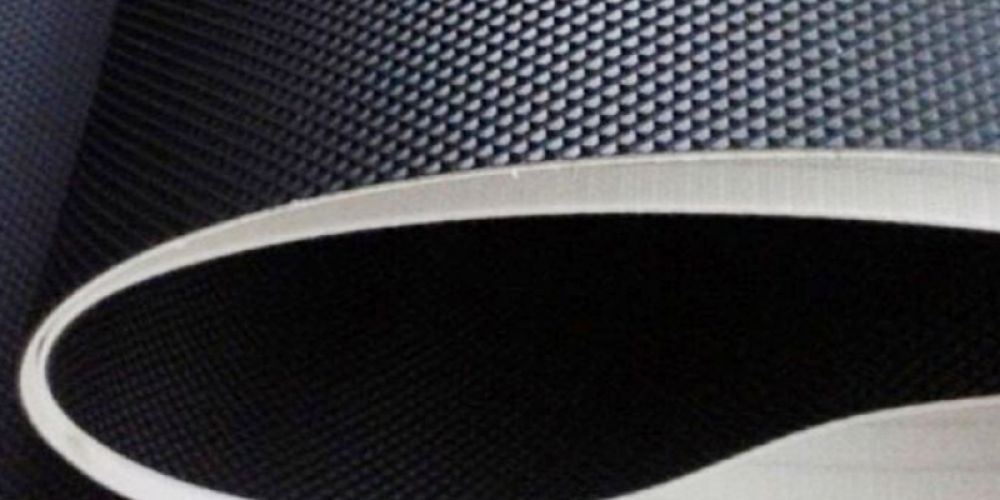
The treadmill belt is the conveyor belt used on a treadmill, typically made of non-slip, wear-resistant, soft, and eco-friendly materials. Depending on the materials and manufacturing processes, treadmill belts can be categorized into various types. Common materials include PVC, PU, and rubber, with PVC and PU being the two most prevalent materials on the market.
Beyond materials, the structure and design of treadmill belts also significantly impact their performance and lifespan. For example:
Factors Affecting Treadmill Belt Performance and Lifespan:
Material Quality
High-quality belts use wear-resistant, non-slip, and heat-resistant materials to improve durability and stability.
Structural Design
Features like non-slip textures or reinforced layers enhance grip and structural integrity, reducing wear and tear.
Thickness and Width
Seam Craftsmanship
Precise seam construction ensures a smooth, durable surface that resists splitting or fraying.
Maintenance and Care
Proper upkeep—such as regular cleaning, lubrication, and alignment checks—extends the belt’s lifespan and maintains performance.
.jpg)
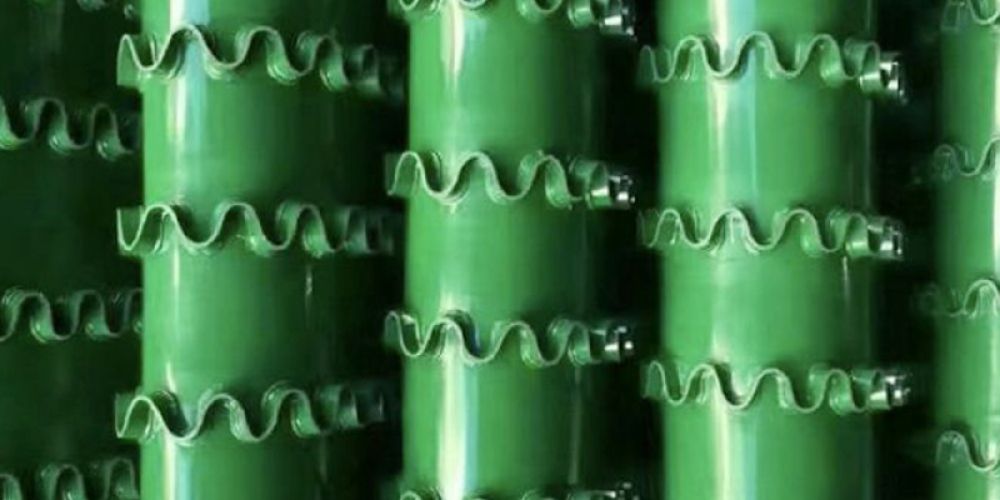
Skirted baffle conveyor belts are a special type o…
.jpg)
Polyurethane (PU) conveyor belts possess numerous …
The safety of conveyor belt materials in the food …
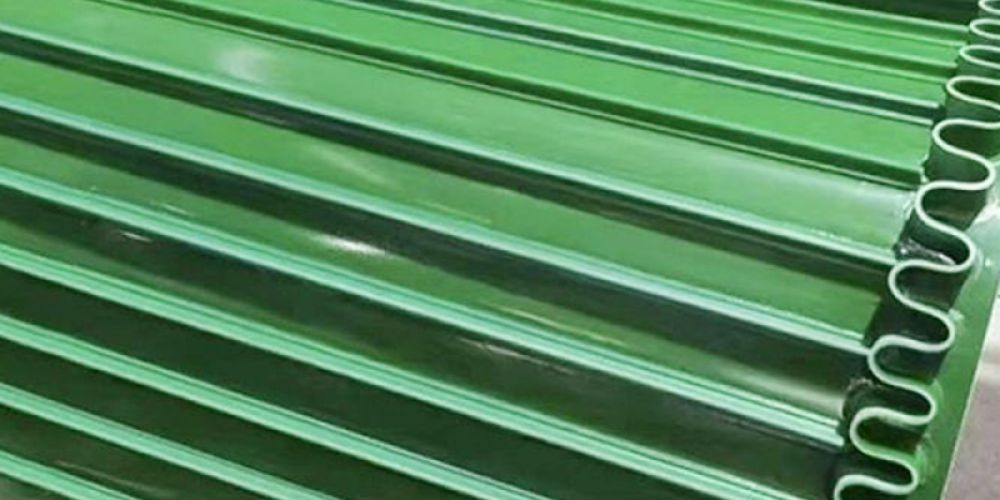
Lightweight conveyor belts are a type of conveyor …
