
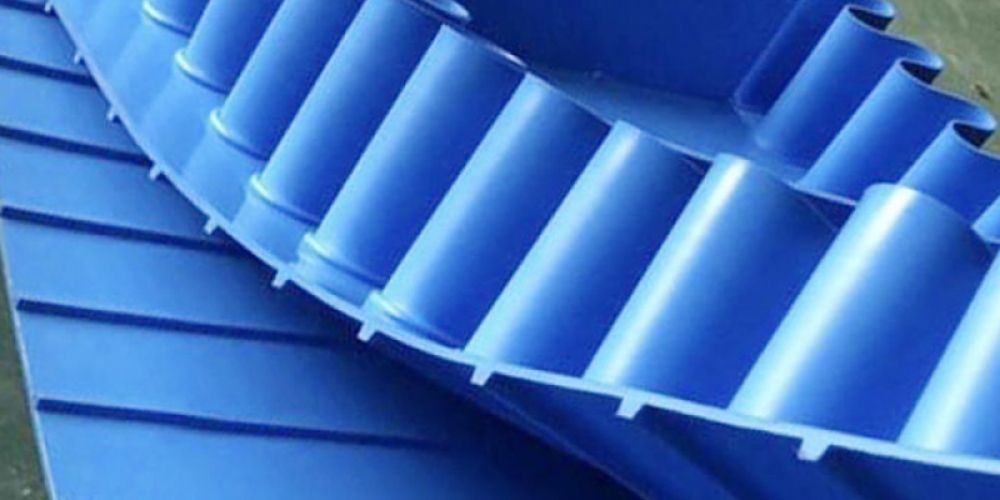
Polyurethane (PU) Conveyor Belts possess numerous advantages, including excellent wear resistance, oil resistance, corrosion resistance, non-toxicity, hygiene, lightweight flexibility, broad applicability, environmental friendliness, energy efficiency, and ease of maintenance. They are widely used in conveying systems across various industries.
Excellent Wear Resistance: The polyurethane material exhibits outstanding wear resistance, enabling it to withstand high-intensity friction and abrasion, thereby significantly extending the service life of the conveyor belt.
Superior Oil Resistance: Polyurethane materials are chemically inert to oils and greases, offering excellent oil resistance, which makes them suitable for oily environments commonly encountered in food processing.
Strong Corrosion Resistance: Polyurethane demonstrates high resistance to corrosion caused by acids, alkalis, salts, and other chemicals, effectively protecting against chemical erosion.
Non-Toxic and Hygienic: Polyurethane is inherently non-toxic and complies with FDA food-grade standards, ensuring it does not contaminate food products or pose health risks to humans.
Lightweight and Flexible: With low density and high flexibility, polyurethane belts are easy to install, maintain, clean, and handle due to their lightweight and pliable nature.
Wide Applicability: Polyurethane conveyor belts are suitable for diverse industrial needs, including food, beverage, tobacco, pharmaceuticals, electronics, and more, meeting the specialized requirements of various sectors.
Environmentally Friendly and Energy-Efficient: Polyurethane is recyclable, aligning with environmental sustainability goals, while also contributing to energy conservation and reduced operational costs.
Easy Maintenance: These belts are durable, require minimal upkeep, and ensure efficient and stable conveying at lower operating costs.
.jpg)
Skirted baffle conveyor belts are a special type o…
.jpg)
Polyurethane (PU) conveyor belts possess numerous …
The safety of conveyor belt materials in the food …
Lightweight conveyor belts are a type of conveyor …
